Mounting Solar Panels on Your Caravan Roof: Complete Guide
Planning Your Solar Panel Mounting System
Careful layout planning before installation is essential. Key considerations include measuring available roof space while accounting for vents, antennas, air conditioning units, and structural ribs underneath. Positioning panels to avoid shadows from roof fixtures while ensuring they're mounted over solid structural supports is essential.
Panel Sizing and Configuration
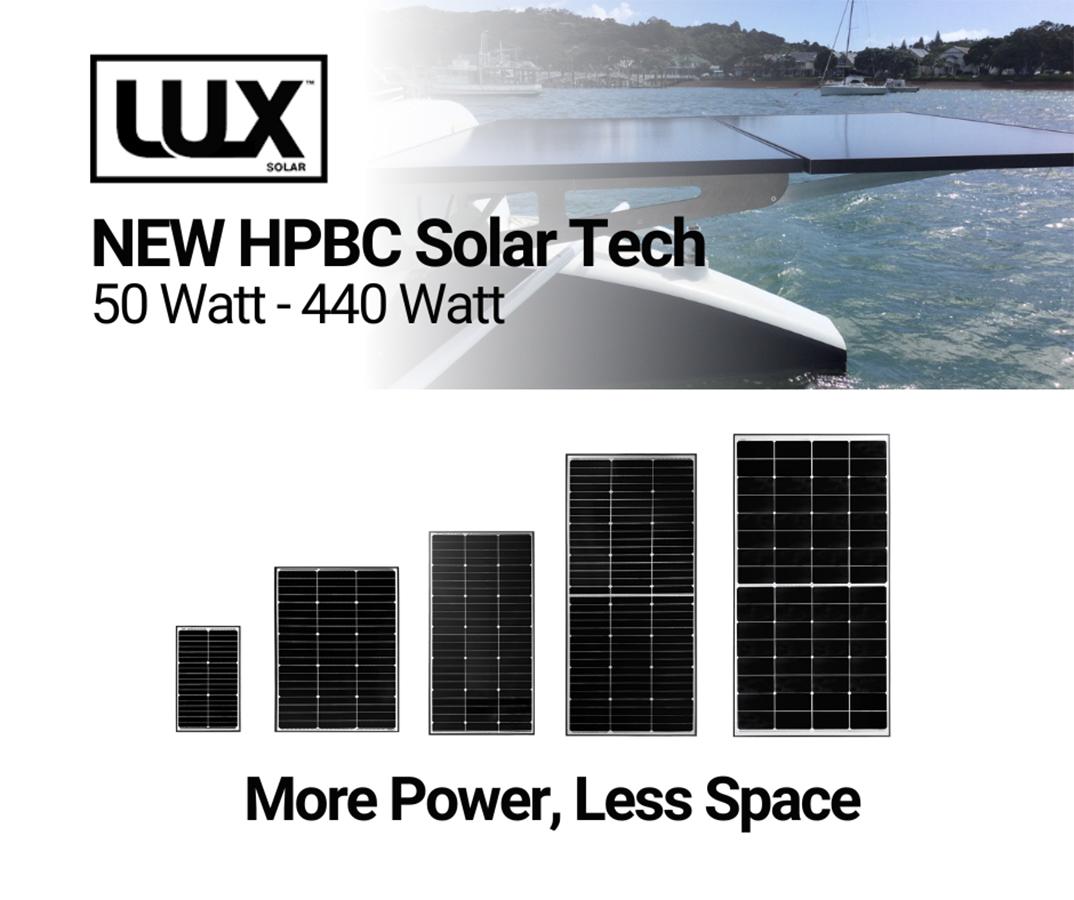
For most caravans, rigid monocrystalline panels between 100W and 200W offer the best balance of power and size. Multiple smaller panels are recommended over single large panels for improved placement flexibility and shading performance. A typical New Zealand caravan setup requires 200-400W of solar capacity to run LED lights, a 12V fridge, water pump, and charge devices.
Types of Roof Mount Systems
Flat Mount Systems
These attach panels directly to the roof with minimal air gaps, creating a sleek, low-profile installation that's less likely to catch wind or branches on bush tracks. Trade-offs include reduced airflow affecting summer efficiency, though for most New Zealand conditions, the performance difference is minimal.
Tilting Mount Systems
Adjustable mounts optimize sun exposure seasonally. These work best for extended-stay caravans but require more maintenance than flat systems for mobile users.
Adhesive Mounting Options
Structural adhesives eliminate drilling but demand perfect surface preparation and work only on smooth fiberglass roofs under proper conditions.
Essential Tools and Materials
Mounting Hardware
Marine-grade mounting brackets, stainless steel bolts, and proper sealants are specified. Standard automotive bolts fail under constant vibration and thermal cycling.
Sealing and Waterproofing
Critical for New Zealand's wet climate. Marine-grade sealants like Sikaflex or similar products designed for outdoor exposure and movement should be applied comprehensively around all fastening points.
Step-by-Step Installation
Marking and Drilling
Use center punches before drilling, start with pilot holes, and always drill from the outside in to prevent gel coat chipping on fibreglass roofs.
Securing the Mounting System
Install brackets with liberal amounts of sealant, ensuring the brackets sit flat against the roof surface. Tighten bolts progressively in cross patterns to prevent bracket warping.
Panel Installation and Wiring
Follow manufacturer instructions for panel attachment. Route wiring carefully to avoid damage, using cable entry glands where wires pass through the roof.
Testing and Maintenance
Thorough testing before traveling is recommended, including checking all electrical connections, verifying proper charging operation, and inspecting the mounting for any issues. Regular maintenance involves checking bolt tightness, inspecting seals, and cleaning panels every few months for peak efficiency.
LUX Solar offers expertise for custom system design tailored to New Zealand conditions.